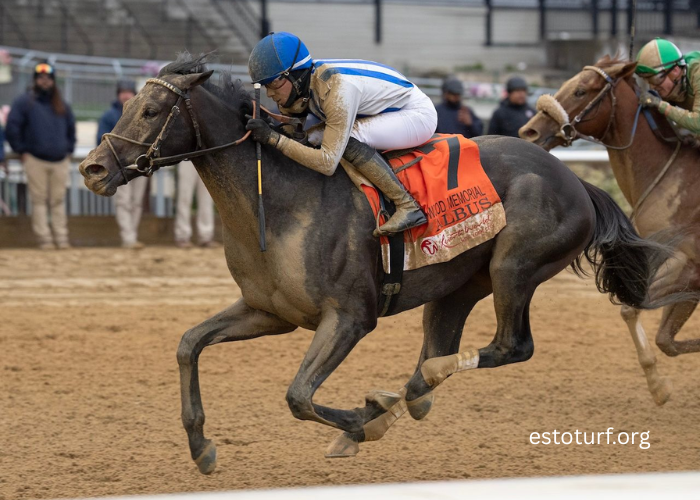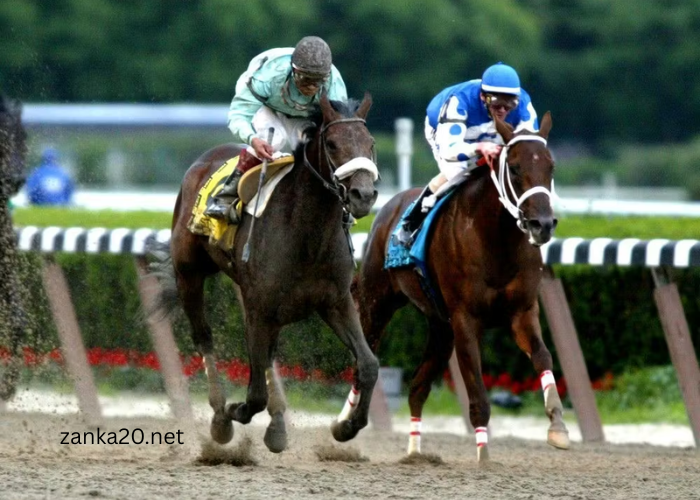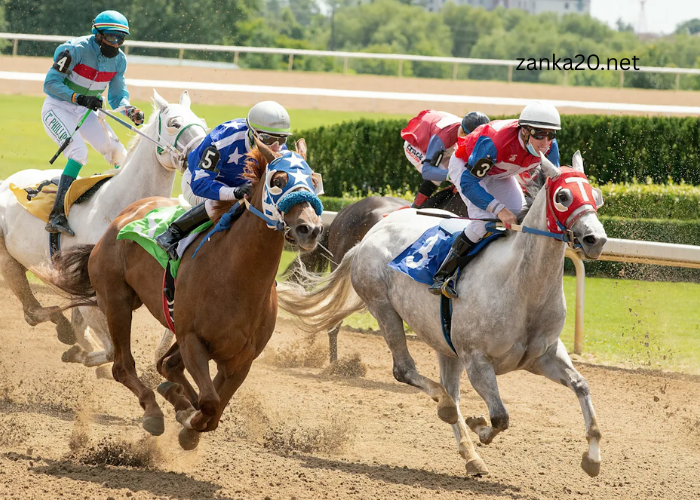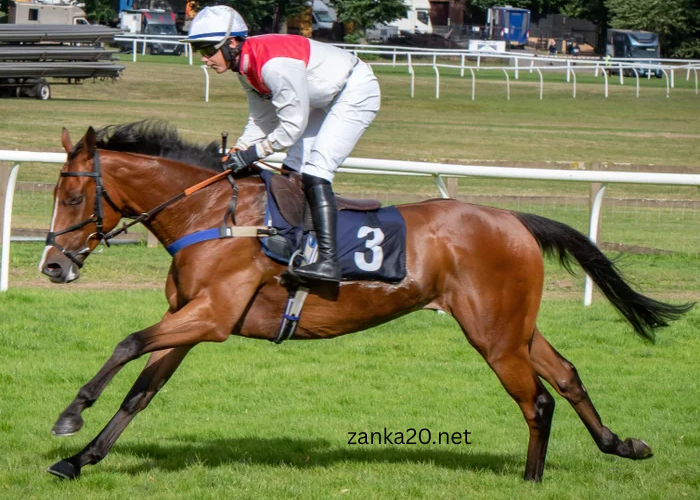
When most people think about a day at the races they usually picture the incredible speed of the horses or the fancy hats and the cheering crowds. It is easy to get caught up in the glamour of the event. But if you look closely at the track after a big race you’ll see something a lot less glamorous but totally essential. The ground looks like it has been through a bit of a war zone. Those powerful hooves dig deep into the grass and they leave behind these big chunks of missing turf known as divots.
I remember the first time I actually noticed the ground crews out there after a race. It looked like a small army of people walking in a straight line staring at their feet. It turns out that this process of divot repair is one of the most important parts of keeping both the horses and the jockeys safe. Without these dedicated teams the track would quickly become a dangerous mess of holes and uneven patches.
Why Fixing the Ground Matters So Much
It might just seem like a bit of torn up grass but a divot is basically a hidden trap for a horse running at forty miles per hour. When a horse is at full gallop they are putting an immense amount of pressure on each hoof. If they happen to land in a hole left behind from a previous race it can cause them to stumble or even worse sustain a serious injury.
Professional racing is all about consistency. The trainers and owners want to know that the surface is even from the start line to the finish. If the track is full of craters the horses can’t perform at their best and the risk levels go through the roof. It is not just about the horse either because a stumbling horse is a major danger to the jockey riding them. Fixing those spots is really the first line of defense in equine safety.
The Art of the Divot Stomp
There is a very specific way these repairs happen and it’s surprisingly low tech. In many parts of the world they call it the tread in. After the horses leave the track a crew of workers walks the entire length of the course. When they find a piece of turf that has been kicked up they flip it back into the hole and literally stomp it back into place with their boots.
It looks simple but there’s a bit of a knack to it. You have to make sure the grass is facing the right way and that it’s packed down tight enough so the next horse doesn’t just kick it right back out. I’ve heard some track managers say that no machine can quite match the human eye and foot for this job. They can feel the density of the ground through their soles in a way that a tractor just can’t. It’s a slow and steady processing messiturf10 but it’s the only way to ensure the track stays in top condition for the next heat.
Dealing With Different Weather Conditions
Repairing the track gets a lot more complicated when the weather decides not to cooperate. If it has been raining cats and dogs the ground becomes soft and the divots get much deeper and messier. In those cases just stomping the grass back in isn’t enough because the mud just squishes around. The crews often have to bring in a special mix of sand and seed to fill the gaps and help the turf recover faster.
On the flip side when the ground is bone dry the turf can get brittle. Instead of nice clean chunks coming out the grass might just shatter or tear. This makes it really hard to piece things back together like a puzzle. In these situations the maintenance teams have to be even more careful to make sure they aren’t leaving any soft spots. It really is a constant battle against the elements to keep that green carpet looking and feeling right.
The Long Term Health of the Turf
Divot repair isn’t just about the immediate safety for the next race. It is also about the long term survival of the grass itself. If a hole is left open the roots of the surrounding grass are exposed to the air and they can dry out or die off. This leads to brown patches and eventually the whole track starts to degrade.
By quickly putting the turf back where it belongs the crews are helping the plant heal itself. Most tracks use very specific types of grass that are grown to be tough and resilient but even the toughest grass needs a helping hand when it’s being hammered by hooves every week. A well maintained track can last for years while a neglected one will need expensive and time consuming renovations much sooner. It’s definitely a case of a stitch in time saves nine.
Respecting the Unsung Heroes
Next time you are watching a major race and you see that group of people walking the track between events give them a little nod of respect. They’re out there in the heat and the rain doing the heavy lifting so that the stars of the show can run safely. It is a humble job but the entire industry relies on them doing it perfectly every single time. I think there is something quite beautiful about the fact that even in an age of high tech sensors and advanced engineering the best way to fix a racetrack is still a human being with a good pair of boots and a sharp eye. It keeps the sport grounded in its traditions.
A Satisfying Finish
So while the trophies and the betting might get all the headlines the humble divot repair is the real backbone of professional horse racing. It is what keeps the sport fair and keeps the animals we love out of harm’s way. It’s a reminder that sometimes the smallest details are actually the ones that matter the most. When the track is smooth and the horses are flying down the homestretch you can bet it’s because someone took the time to make sure the ground was ready for them.