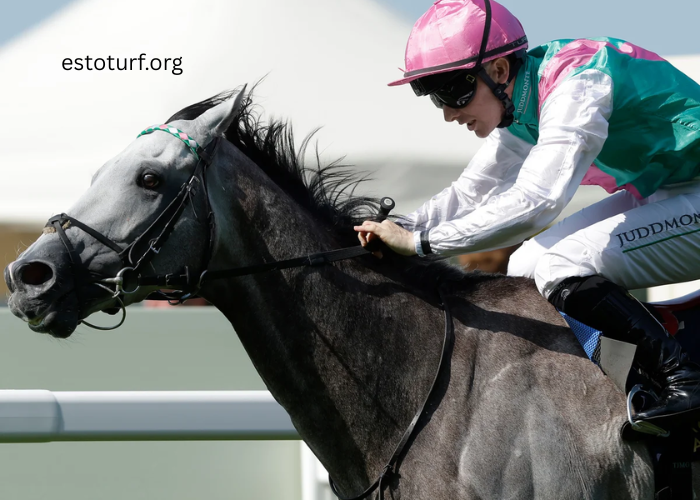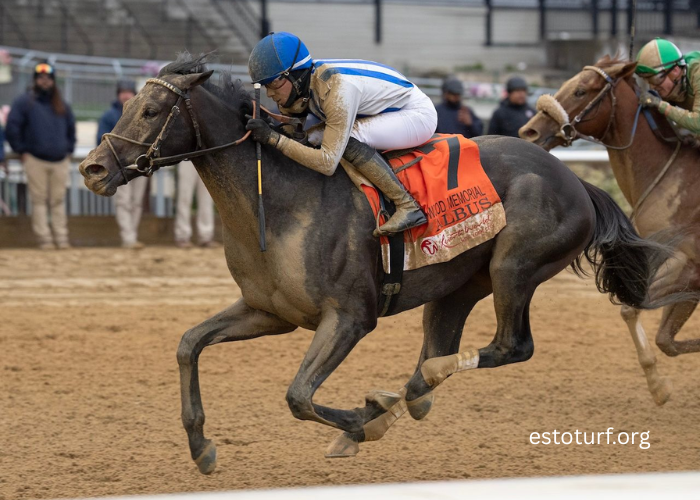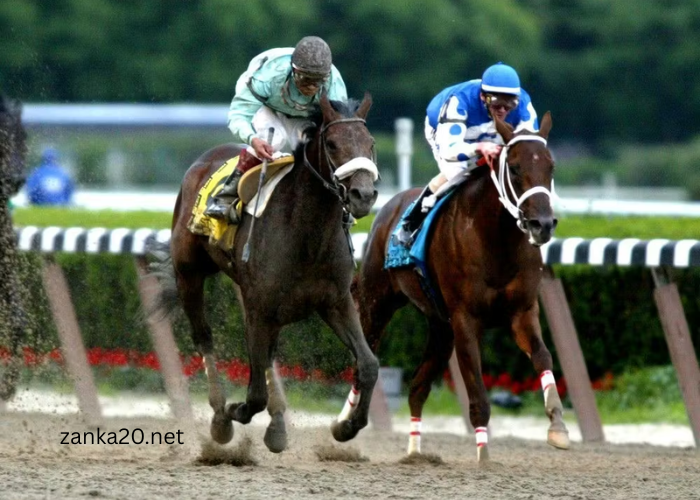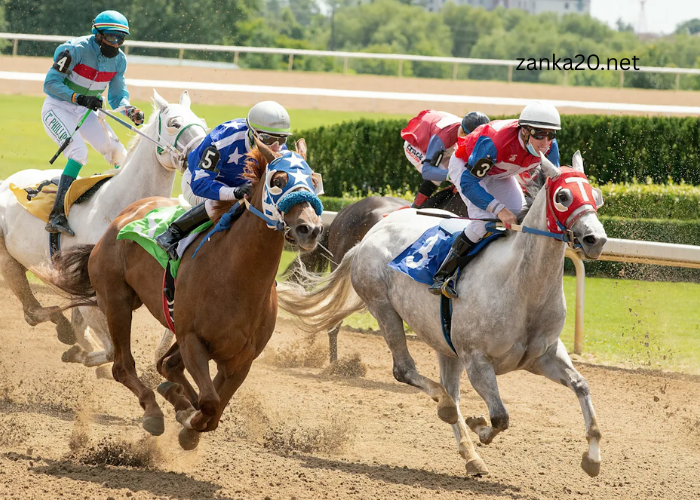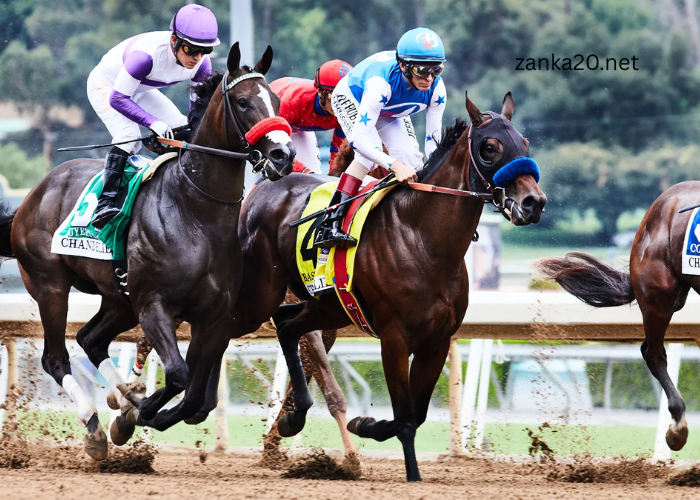
If you have ever stood by the rail at a racetrack and watched a pack of thoroughbreds thunder past, you know the sound is something you feel in your chest. It is a massive amount of power hitting the ground all at once. But have you ever stopped to look at what happens to the grass after they fly by? Those huge divots flying through the air aren’t just for show. They are actually a visual sign of something engineers and groundskeepers obsess over every single day: shear strength. It sounds like a boring physics term, but in the world of horse racing, it is basically the difference between a safe, fast race and a dangerous situation for both the horse and the jockey.
What shear strength actually means on the track
In simple terms, shear strength is just a measure of how well the soil and the grass roots hold together when a force tries to slide them apart. Imagine a horse pushing off the ground to take a stride. Its hoof is digging in and pushing back with incredible pressure. If the turf has good shear strength, the ground stays firm and gives the horse something to push against. If the shear strength is too low, the ground just gives way and turns into a slippery mess.
It is a bit like trying to run on a thick carpet versus running on a loose rug over a waxed floor. On the carpet, your feet stay put because the fibers and the backing have high shear strength. On that loose rug, you’re likely to go flying because there is nothing holding the layers together. For a horse moving at forty miles per hour, that stability is everything. When the ground holds, the horse can move efficiently. When it doesn’t, the risk of a slip or a soft tissue injury goes way up.
The secret role of the root system
Most people look at the green blades of grass on top, but the real work is happening underground. The roots are like the rebar in a concrete slab. They weave through the soil and create a sort of biological mesh that holds everything in place. A field might look beautiful and green, but if the roots are shallow or weak, the shear strength will be terrible.
This is why you’ll often see track managers talking about “root depth” with such intensity. They want those roots to go deep and tangle together. Certain types of grass are better at this than others, and the way the turf is mowed or watered can actually encourage the roots to grow deeper. It is a bit of a balancing act because you want the ground to be soft enough to absorb impact but firm enough that the roots don’t just pull out like a handful of loose hair.
Measuring the grip with the right tools
You can’t just walk onto a track and guess how much grip it has by poking it with your toe. Professional track managers use specific tools to test the shear strength before a race meet. One of the most common is a “going stick” or a shear vane tester. These devices have little blades that you push into the ground and then twist. The tool measures how much torque or force it takes to make the soil “shear” or break apart.
If the reading is too high, the track might be too hard, which is tough on the horses’ joints. If it’s too low, the track is “soft” or “heavy,” and the horses in bouvier turf will struggle to get their footing. Groundkeepers use these numbers to decide if they need to add more water, aerate the soil, or maybe even cancel a race if the conditions are truly unsafe. It is a mix of high tech measurement and old school gut feeling based on years of experience.
How moisture changes the game
Water is probably the biggest variable when it comes to shear strength. We all know that wet mud is slippery, but a little bit of moisture actually helps. It acts like a glue that helps the soil particles stick to the roots. However, there is a very fine line. Once the soil becomes saturated, the water fills up all the little air pockets and the whole structure becomes unstable.
This is why rain during a race day is such a headache for everyone involved. A track can go from perfect to “sloppy” in a matter of minutes. The moisture reduces the friction between the soil particles, and suddenly that shear strength vanishes. You’ll see horses struggling to find their “points,” which is just a fancy way of saying they can’t get a solid grip to move forward. It’s a lot like driving a car on bald tires in a rainstorm; you just don’t have the traction you need to stay in control.
Why consistency is the holy grail
The most dangerous thing for a racing horse isn’t necessarily a soft track or a hard track; it is an inconsistent one. If a horse takes five strides on firm ground and then the sixth stride hits a patch with low shear strength, that sudden change can cause a stumble. Consistency across the entire width and length of the track is what every groundskeeper is aiming for.
This means they have to be incredibly careful with how they apply fertilizer and how they manage the “clipping” of the grass. Even the way they move the rail can affect the shear strength. If the horses always run in the same lane, the ground gets compacted and the grass gets beat up, leading to a drop in strength. By moving the rail out, they give the “tired” grass a chance to recover and the roots a chance to grow back, ensuring the track stays safe for the long haul.
Finding the perfect balance
At the end of the day, analyzing shear strength is all about finding that “Goldilocks” zone. You want the turf to be firm enough for speed but forgiving enough for safety. It is a constant battle against the elements and the sheer physical force of the animals. We’ve come a long way from the days of just hoping the grass was okay. Today, it is a blend of science, engineering, and a deep respect for the athletes who rely on that ground. Next time you see a big divot fly up during a race, you’ll know there is a lot more going on than just some kicked up dirt. That divot is a testament to the shear strength of the track, showing that the ground held together just long enough to let the horse propel itself forward toward the finish line. It’s a quiet, invisible science that keeps the sport running, and quite literally, keeps the horses on their feet.