If you’ve ever sat through a big-budget Indian movie, you know that the songs aren’t just musical breaks; they are massive events. Sometimes, the song alone costs more than an entire indie film’s budget. I’ve often wondered, while watching thousands of background dancers and shimmering sets, just how much money is being poured into those five minutes of screen time. It turns out, the numbers are absolutely staggering. From futuristic robot dances to royal palace recreations, filmmakers in India really don’t hold back when it’s time to break into song and dance.
The Robotic Splendor of Yanthara Lokapu Sundarive
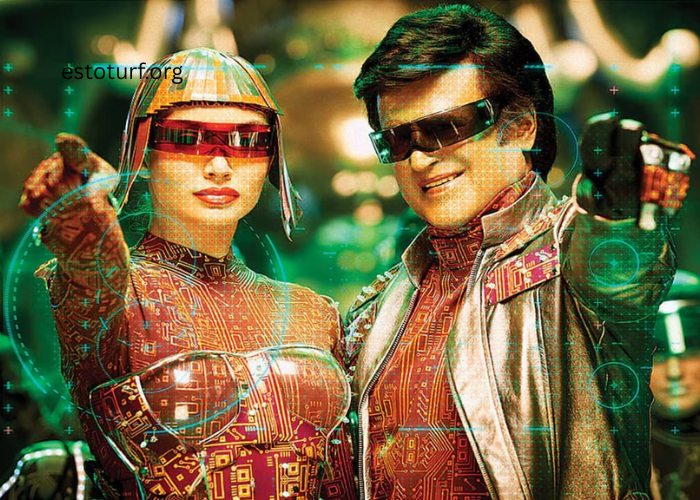
When you think of scale, Director S. Shankar is usually the first name that comes to mind. He is the master of “grandeur,” and in the movie 2.0, he really pushed the envelope. The song Yanthara Lokapu Sundarive, featuring Rajinikanth and Amy Jackson, is widely considered the most expensive Indian song ever made.
Reports suggest it cost around ₹20 crore to film. That is a wild amount of money for a single track. Most of that budget went into the insane visual effects and the futuristic sets that looked like something out of a Hollywood sci-fi epic. Watching the two “robots” dance, you can see every rupee on the screen. It’s shiny, it’s mechanical, and it’s undeniably expensive. Personally, I think it’s a bit over-the-top, but that is exactly what makes Indian cinema so fun to watch.
Shah Rukh Khan’s High Energy Anthem in Zinda Banda
If there is anyone who can match the scale of South Indian directors, it’s Shah Rukh Khan. In his 2023 blockbuster Jawan, the song Zinda Banda made huge waves even before the movie hit the theaters. Directed by Atlee, this song reportedly cost a whopping ₹15 crore.
What makes this one special isn’t just the CGI, but the sheer human effort involved. They hired over 1,000 girl dancers to perform in sd movies point2 alongside King Khan. Just imagine the logistics of managing a thousand people, their costumes, their food, and their rehearsals for days. The set was massive and vibrant, capturing that high-energy “mass” vibe that Atlee is famous for. You can tell they wanted to make a statement with this track, and they definitely succeeded.
The Royal Elegance of Ghoomar
Switching gears from robots and high-speed dance to historical royalty, we have Sanjay Leela Bhansali. He’s the king of aesthetics. In Padmaavat, the song Ghoomar cost about ₹12 crore. Now, you might wonder why a song where Deepika Padukone mostly twirls in a room costs that much.
Well, the answer lies in the details. The set was a meticulous recreation of a Rajasthani palace, complete with thousands of hand-painted oil lamps and intricate carvings. Then there’s the costume—Deepika wore a lehenga that weighed roughly 30kg and cost a fortune because of the authentic jewelry and handwork. They spent months just getting the lighting right. It’s a different kind of expensive; it’s about craft and heritage rather than just loud explosions or special effects.
Ram Charan’s Colorful Spectacle in Jaragandi
More recently, the buzz has been all about Game Changer, starring Ram Charan. The song Jaragandi has reportedly cost somewhere between ₹15 to ₹20 crore. Again, this is a Shankar film, so the budget was bound to be astronomical.
The song is a riot of colors with over 600 dancers and incredibly complex choreography. They even used infrared cameras for some portions of the movie’s songs to get colors that look “otherworldly.” This is a classic example of how modern Indian cinema is blending traditional folk dance vibes with cutting-edge technology. It’s loud, it’s bright, and you can practically hear the cash registers ringing in the background while they dance.
Why Do They Spend So Much?
You might ask yourself if spending ₹20 crore on a five-minute song is actually worth it. From a business perspective, it’s all about the “wow” factor. In India, songs are the primary marketing tool for a movie. A hit song can guarantee a massive opening weekend. They create “visual spectacles” that people feel the need to see on a big theater screen.
Also, let’s be honest, there is a bit of a friendly rivalry between directors to see who can build the biggest set or hire the most dancers. It’s part of the charm of the industry. We love the “larger than life” feel of it all. It makes us feel like we’re getting our money’s worth when we buy a ticket.
A Satisfying End to the Spectacle
In the end, these songs are more than just music; they’re a testament to the ambition of Indian filmmakers. Whether it’s the mirrored palace of Mughal-e-Azam (which would cost over ₹100 crore in today’s money!) or the AI-driven visuals of today, the goal is always the same: to leave the audience breathless. It’s a unique part of our culture that I don’t think will ever go away. As long as there are stories to tell and theaters to fill, India will keep making songs that are as expensive as they are unforgettable.